
Introduction
Crossed Treble Crochet is a cross stitch technique completed using treble crochet stitches. Compared to regular crossed double crochet, crossed treble crochet creates more prominent textures with stronger dimensionality and more obvious crossing effects.
In US terminology, this stitch is called Crossed Treble Crochet, while in UK terminology it's called Crossed Double Treble. It's an advanced technique for creating prominent cross textures in crochet. By wrapping the yarn twice around the hook and crossing over stitches, it creates more dramatic dimensional effects than crossed double crochet.
Crossed treble crochet features tall, prominent textures and eye-catching patterns, making it perfect for:
- Textured sweaters: Creating more pronounced cross patterns
- Decorative scarves: Forming obvious dimensional stripe effects
- Unique blankets: Adding visual depth as a main stitch pattern
- Bag decorations: Adding strong texture contrast to simple designs
Materials Needed
Before practicing crossed treble crochet, prepare the following tools:
- Crochet hook : A 4.0mm or 4.5mm hook is recommended, easier for working longer stitches
- Yarn : Choose medium-weight cotton or acrylic yarn in a bright color for easy stitch identification
- Chain stitch foundation: Cross stitches need to be worked on a chain foundation
- Treble crochet basics: Cross stitches are mainly composed of treble crochets, so master treble crochet first
Practice Preparation
Before practicing crossed treble crochet, chain about 25-30 stitches as your foundation. Since treble crochet is taller, you need longer chains to show the complete crossing effect. Beginners should use stitch markers to mark stitch positions, helping locate crossing points.
Step-by-Step Instructions
1Step 1
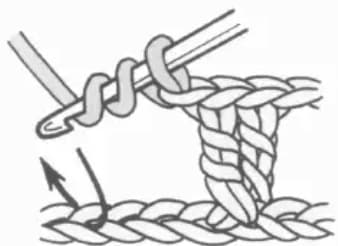
Wrap the yarn twice around the hook - this is the unique starting motion for treble crochet. Following the arrow in the diagram, insert the hook into the chain stitch on the left side of the crossing point. Then yarn over and pull through. You now have 4 loops on your hook, ready to work the treble crochet.
2Step 2
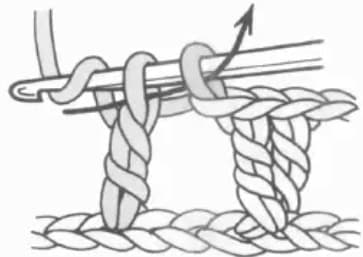
Yarn over and pull through the first two loops. Yarn over again and pull through the next two loops. Finally, yarn over once more and pull through the remaining two loops, completing this treble crochet. Treble crochet requires three pull-throughs, each time through two loops - this is different from double crochet. You have now completed the first treble crochet in the "left" position.
3Step 3
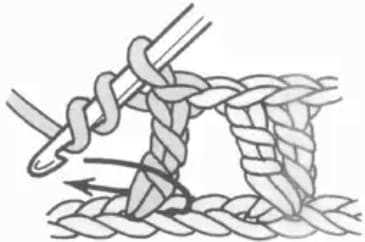
Wrap the yarn twice around the hook again. Following the arrow in the diagram, insert the hook into the stitch position to the right of Step 1. Note that the hook should pass behind the completed treble crochet to create the crossing effect. After yarning over, the hook will "wrap around" the just-completed treble crochet, then pull through the yarn.
4Step 4
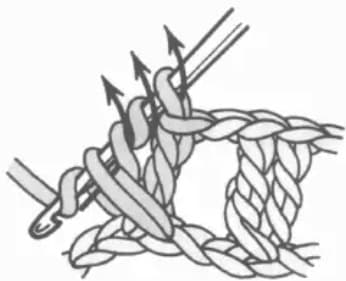
You now have 4 loops on your hook. Follow the standard treble crochet steps: yarn over and pull through two loops at a time, requiring three pull-through operations. Each pull-through takes two loops until only one loop remains. This completes the second treble crochet at the crossing position.
5Step 5
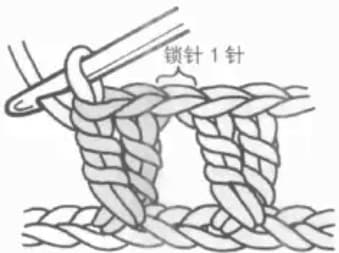
One crossed treble crochet is complete. Check if both treble crochets are the same height and if the crossing position is neat. Since treble crochet is taller than double crochet, the crossing effect is more pronounced. Make sure both stitches maintain the same height for a beautiful, even overall effect.
Tips
Understanding Treble Crochet Characteristics
Treble crochet has one more yarn over than double crochet, so the stitch is taller and the crossing effect is more obvious. This also means you need more chain stitches for the foundation and need to pay more attention to tension control. We recommend mastering crossed double crochet before attempting crossed treble crochet.
Maintaining Consistent Height
The most critical aspect of crossed treble crochet is keeping both stitches the same height. Suggestions: maintain the same tension for each pull-through; remember the rhythm of pull-throughs after completing the first treble crochet; complete the second stitch with the same rhythm; check if both stitches are equal in height after each crossing group.
Counting and Positioning
Since treble crochet is tall, it's easy to lose position sense while working. Suggestions: use stitch markers to mark the starting position of each group; confirm correct position after completing each crossing group; use different colored markers to distinguish crossing directions (left cross/right cross).
Common Mistakes
The two treble crochets have inconsistent heights. What should I do?
Inconsistent height is the most common problem. Solutions: check that you're pulling through the correct number of loops each time (2 each time); ensure consistent tension each time you yarn over; don't pull too tight after completing the first stitch, which can affect the second stitch's tension; if the height difference is obvious, unravel and redo.
The crossing point is too tight or bulging. What should I do?
Tension issues are challenging in crossed treble crochet. Solutions: don't wrap too tightly when working the second treble crochet; let the first treble crochet stay in its natural state during crossing; gently adjust the crossing position after completing the cross; you'll find the right tension feel after a few practice rounds.
I forgot to wrap twice. What should I do?
It's easy to confuse treble crochet with double crochet. Solutions: remember the mnemonic "double crochet wraps once, treble crochet wraps twice"; confirm wrap count before starting each new stitch; silently say "wrap wrap crochet" to reinforce memory; if you wrapped wrong, it's better to unravel and redo than continue with mistakes.
Variations and Applications
Crossed treble crochet has several variations to choose from:
- Left Crossed Treble Crochet: Work on the right side first, then return to the left, opposite crossing direction
- Mixed Treble and Double Crochet Cross: Alternately use stitches of different heights to create staggered textures
- Crossed Stitch Combinations: Multiple consecutive crossings form large cable patterns
- Cross + Chain Spaces: Crossed treble crochet combined with chain spaces creates openwork effects
- Double Crossed Treble Crochet: More complex crossing combinations forming rich dimensional patterns
Related Stitches
After mastering crossed treble crochet, you can continue learning:
- : The foundation stitch for crossed stitches
- : Connecting between crossed stitches
- : A more basic crossing technique
- Double Treble Cross: An even taller crossed stitch variation
Practice Suggestions
We recommend intermediate crocheters practice crossed treble crochet following these steps:
- First chain about 30 stitches as a foundation
- Work one row of regular treble crochets in the first row to get familiar with treble crochet rhythm
- In the second row, start trying crossed stitches, crossing every other stitch
- Once comfortable, try continuous crossings to form large cable patterns
After completing practice, try simple projects: textured scarves, decorative motifs, or as the main stitch pattern for sweaters. Crossed treble crochet brings obvious dimensional effects and visual impact to your work.
Crossed treble crochet is an advanced technique for creating strong dimensional textures in crochet. Master it, and you can add more pronounced pattern effects to various projects. Keep practicing and enjoy the joy of creating!