
Introduction
Bar Stitch is a unique decorative stitch characterized by the ability to work continuously in the same direction without turning your work, creating a distinctive striped texture effect.
The uniqueness of bar stitch lies in its insertion point-it works into the outer strand of the chain stitch from the previous row, rather than inserting from the front as usual. This technique causes the yarn to appear in striped distribution on the inner side of the chain stitch, creating a visual effect different from regular stitches.
Bar stitch is suitable for:
- Striped Decoration: Adding delicate striped texture to fabric surfaces
- Border Treatment: Used for edge decoration to create unique outline effects
- Pattern Combinations: Working with other stitches to create rich pattern variations
- Non-turning Crochet: Used when continuous same-direction crocheting is needed
Required Tools
Before practicing bar stitch, you need to prepare the following tools:
- Crochet hook : A 3.5mm or 4.0mm hook is recommended
- Yarn : Choose medium-weight cotton or acrylic yarn
- Single crochet Foundation: Bar stitch builds upon single crochet technique
- Chain stitch Foundation: Requires working on chain stitch base
Practice Preparation
Before practicing bar stitch, crochet a few rows of single crochet as a foundation. Bar stitch requires some height in the fabric to display its striped effect. We recommend crocheting 3-4 rows of single crochet first, then starting to practice bar stitch.
Step-by-Step Instructions
1Step 1
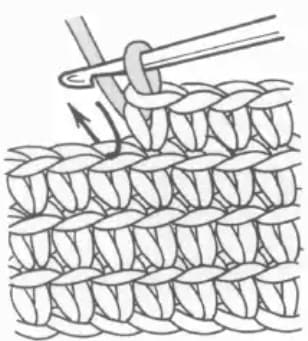
Do not turn your work to the wrong side, continue crocheting in the same direction. Observe the chain stitch structure of the previous row and find one strand on the outer side of the chain stitch. As shown by the arrow, insert the hook from the outer side into this strand. Note the difference from regular single crochet-regular single crochet is inserted through the entire stitch from the front, while bar stitch picks up one strand from the side of the chain stitch.
2Step 2
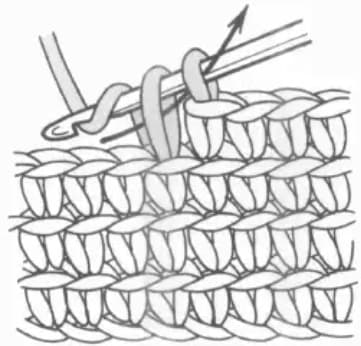
Yarn over the hook and pull through a loop from the picked-up position. At this point, there are two loops on the hook. Yarn over again and pull through both loops together as shown by the arrow to complete one single crochet. After completion, you can observe that the yarn on the inner side of the chain stitch appears in striped distribution, which is the signature characteristic of bar stitch.
Tips
Find the Correct Insertion Point
The key to bar stitch is accurately finding the outer strand of the chain stitch. Observe the "V" shape structure of the chain stitch from the previous row-two strands can be seen from the side: one close to you (inner) and one away from you (outer). Bar stitch picks up the outer strand. If you pick the wrong position, the striped effect will not be obvious.
Maintain Even Tension
Because bar stitch has a different insertion angle than regular single crochet, beginners may experience inconsistent tension. We recommend maintaining the same tension as regular single crochet while working, and not changing the speed and force of pulling through due to the different insertion position. Even tension is the key to neat stripes.
Practice Comparing with Regular Single Crochet
We recommend alternating between regular single crochet and bar stitch in the same practice piece to visually feel the difference between the two stitches. For example: crochet one row of regular single crochet, then one row of bar stitch, and observe the texture contrast between the two. This comparative practice helps deepen understanding of bar stitch characteristics.
Common Mistakes
What if the striped effect is not obvious?
The striped effect is usually not obvious because the insertion position is incorrect. Solution: Carefully observe the chain stitch structure to ensure you are picking up the outer strand, not the entire stitch or inner strand; practice in good lighting to see the layered structure of the chain stitch more clearly; if necessary, use different colored yarn to make it easier to observe the striped effect.
What if the fabric edges are uneven?
Uneven edges may be because each bar stitch has inconsistent height. Solution: Maintain the same loop size each time you pull through; check whether each completed stitch is at the same height as adjacent stitches; you can use stitch markers at the beginning and end of each row to help keep edges neat.
What if it feels tighter or looser than regular single crochet?
Due to the different insertion angle, bar stitch may feel different in tightness compared to regular single crochet. Solution: If it feels too tight, you can slightly loosen the loop when inserting; if it feels too loose, you can slightly tighten when pulling through; the key is to maintain consistency throughout the row of bar stitch, rather than comparing with regular single crochet.
Variations and Applications
Bar stitch can have multiple variations and applications:
- Continuous Bar Stitch Rows: Use bar stitch for multiple consecutive rows to create a uniform striped surface
- Alternating Use: Alternate one row of regular single crochet with one row of bar stitch to create rhythmic texture changes
- Decorative Edging: Use bar stitch at edges as decorative finishing
- Pattern Filling: Use bar stitch in specific areas to create texture contrast with other stitches
Related Stitches
After mastering bar stitch, you can continue learning the following stitches:
- : The foundational stitch for bar stitch
- : The insertion base for bar stitch
- Floating Stitch: Another decorative stitch that picks up yarn from the side of chain stitches
- Back Post Stitch: A variation stitch worked from behind the stitch
Practice Suggestions
We recommend beginners practice bar stitch in the following steps:
- First crochet 3-4 rows of regular single crochet as a foundation fabric
- In a new row, try bar stitch, paying attention to picking up yarn from the outer side of the chain stitch
- After completing one row, observe the striped effect and compare with regular single crochet
- Try alternating regular single crochet and bar stitch to feel the texture change
After completing practice, you can try applying bar stitch to actual projects: coaster edge decoration, scarf stripe patterns, or as filling stitches for patterns. These applications can help consolidate bar stitch skills while experiencing the unique effects that decorative stitches bring.
Bar stitch is a simple yet distinctive decorative technique. Mastering it can add delicate texture variations to your crochet projects. Keep practicing and enjoy the fun of creation!