
Introduction
Half Double Crochet Cross Stitch is a decorative stitch that creates 3D texture by crossing two half double crochet stitches over each other. Cross stitch techniques are essential in crochet for creating cable patterns and relief effects, commonly used in decorative sections of sweaters, scarves, hats, and other projects.
The characteristic of cross stitch is that two stitches are not worked vertically upward, but rather "cross over" each other, creating an interlaced 3D effect. This technique is also commonly referred to as "cable stitch" or "crossed stitch" in crochet terminology.
Half double crochet cross stitch is suitable for:
- Cable patterns: Continuous arrangements create classic cable textures
- Relief effects: Creating 3D texture on flat fabric
- Decorative edges: Adding dimension to project borders
- Pattern design: Combining with other stitches to create complex motifs
Tools Needed
Before practicing half double crochet cross stitch, prepare the following tools:
- Crochet hook : A 3.5mm or 4.0mm hook is recommended for easy observation of stitch structure
- Yarn : Choose medium-weight cotton or acrylic yarn in a bright color for easy identification
- Chain stitch foundation: Cross stitch is worked on a chain foundation
- Half double crochet basics: Cross stitch consists of half double crochet, so master the basic stitch first
Practice Preparation
Before practicing half double crochet cross stitch, chain approximately 20-25 stitches as your foundation chain. Cross stitch requires a certain width to display its 3D effect.
Step-by-Step Instructions
1Step 1
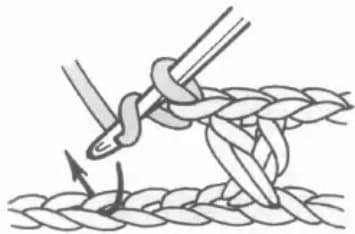
First, yarn over on the hook, then insert the hook into the chain stitch on the left side of the cross point as shown by the arrow. This is the starting position for the cross stitch and will form the "lower" stitch of the cross. Yarn over again and pull up a loop. Now you have 3 loops on the hook.
2Step 2
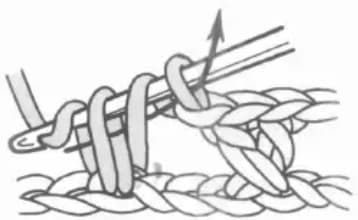
Yarn over on the hook, then pull through all loops on the hook at once as shown by the arrow, completing the first half double crochet. This stitch is now positioned at the cross point, waiting to be "crossed over" by the second stitch.
3Step 3
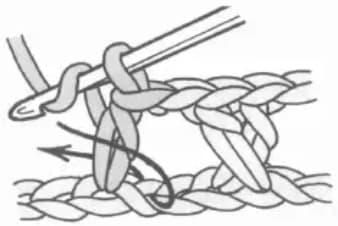
Yarn over on the hook, then insert the hook into the chain stitch on the right side as shown by the arrow. Note that the hook should pass behind the completed first half double crochet, creating a "wrapping" effect. Then yarn over and pull up a loop.
4Step 4
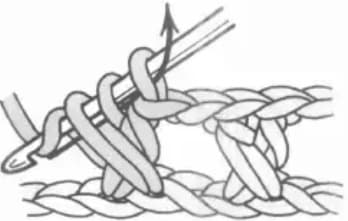
Finally, yarn over on the hook and pull through all loops at once as shown by the arrow, completing the second half double crochet. Now the two half double crochet stitches have crossed over each other, creating a 3D cross texture. One half double crochet cross stitch is complete.
Tips
Maintain Consistent Cross Direction
The visual appeal of half double crochet cross stitch depends on consistent cross direction. When working: make sure each cross stitch group is worked in the same direction (left over right or right over left); for symmetrical patterns, alternate cross directions; maintain even tension for yarn over and pull through to ensure both stitches are the same height.
Master Correct Insertion Position
The key to cross stitch is that the second stitch must "wrap around" the first. When inserting the hook, ensure it passes behind the first half double crochet, not around the front. This creates the proper cross effect rather than simply two side-by-side stitches.
Counting and Positioning
When working consecutive cross stitches, it's easy to miscount stitch positions. We recommend using stitch markers to mark the starting position of each cross stitch group, checking your count after completing each group. Cross stitches typically require an even number of stitches to work in pairs.
Common Mistakes
What if the two stitches don't cross and are just side by side?
This usually happens when the second stitch isn't worked behind the first. Solution: After completing the first stitch, move the hook behind the first stitch before inserting into the right stitch; pay attention to the hook position in the diagram, ensuring a true "crossing" effect; if you notice the mistake, unravel and rework.
What if the cross stitch heights are inconsistent?
Inconsistent heights usually result from different yarn over or pull-through tension between the two stitches. Solution: Keep loop sizes consistent during each yarn over; use the same tension when pulling through all loops; slow down during practice to ensure each step is completed correctly.
What if the fabric edges become distorted?
Working consecutive cross stitches may cause uneven fabric edges. Solution: Add regular half double crochet stitches between cross stitches as transitions; use turning chains to adjust height; ensure each row maintains consistent stitch count, neither skipping nor adding stitches.
Variations and Applications
Half double crochet cross stitch has many variations:
- Left Cross and Right Cross: Change insertion direction to create different diagonal angles
- Multiple Stitch Cross: 3 or more stitches crossing each other for more complex cable patterns
- Combined with Double Crochet Cross: Mix half double crochet and double crochet crosses for rich textures
- Cross Stitch Pattern Combinations: Combine with other decorative stitches for beautiful crochet patterns
Related Stitches
After mastering half double crochet cross stitch, you can continue learning:
- : The foundation stitch for cross stitch
- Double Crochet Cross: Cross technique using double crochet for more prominent 3D effect
- : Spacing and connection for cross stitches
Practice Suggestions
Intermediate crocheters should practice half double crochet cross stitch following these steps:
- First chain approximately 20 stitches as foundation
- Work a cross stitch every other stitch, using regular half double crochet as transitions
- Turn the work and work the return row, paying attention to symmetrical cross directions
- Repeat practice for multiple rows until cross effects are even and 3D texture is pronounced
After completing practice, try simple projects: cable texture coasters, decorative edges, or simple cross stitch motifs. These projects help reinforce cross stitch techniques while experiencing the satisfaction of creating 3D textures.
Half double crochet cross stitch is an important technique for creating 3D textures. Master it and you can add beautiful cable effects and relief patterns to various projects. Keep practicing and enjoy the creative process!